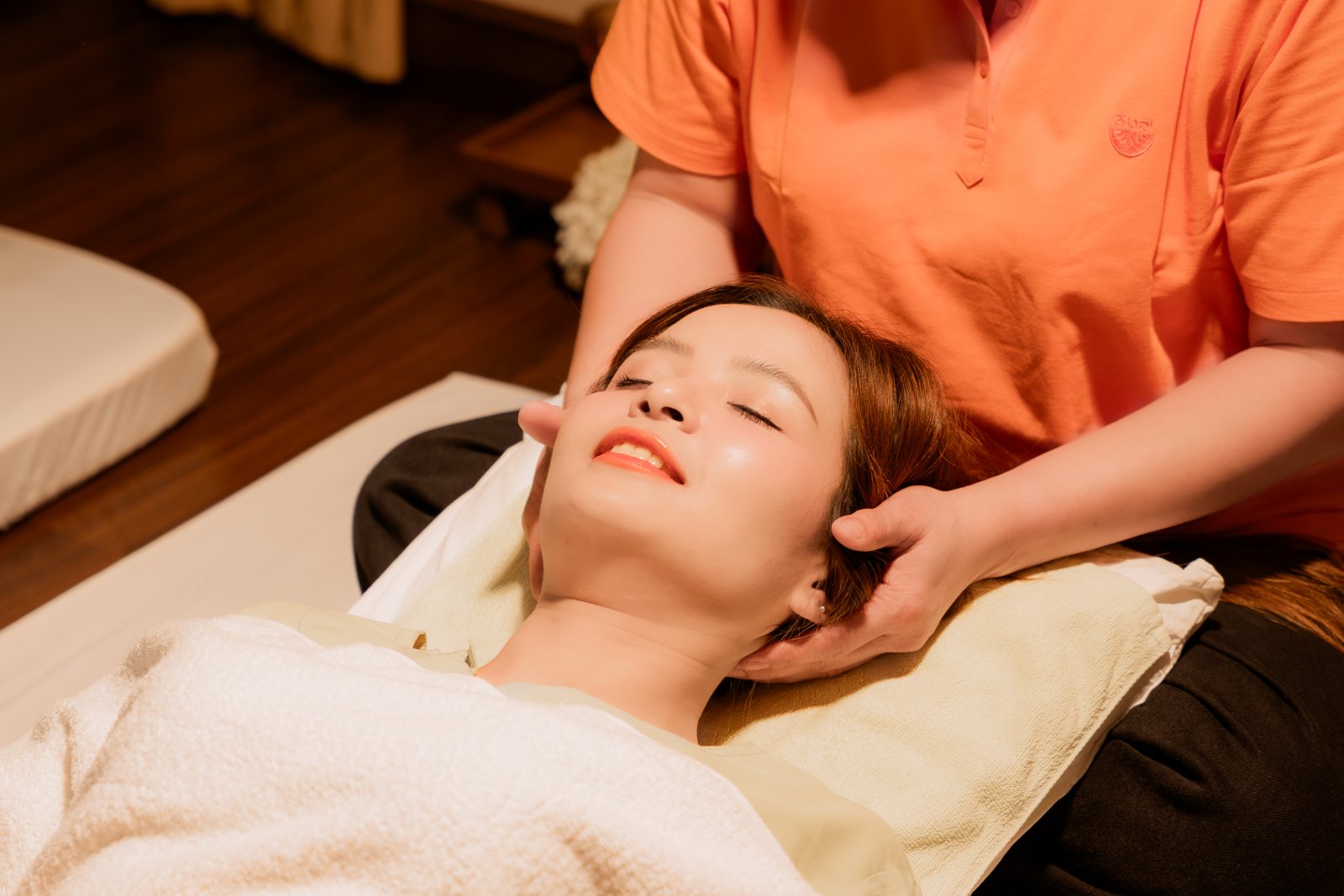

Why Guests Return: What Consistent Care Looks Like at Malatee
Malatee Thai Massage has welcomed guests in Bangkok since 2000, and our name comes from the Malatee jasmine, the most

Most people wait for pain before they do anything about the state of their body. But pain is a late signal — it’s the body’s way of communicating that something has already been wrong for a while.
The earlier signals are quieter. Easier to ignore. Which is exactly why most people miss them.
Here are the signs your body is giving you — and what they actually mean.
1. You notice your shoulders are raised — and you don’t know when they went up
Shoulder elevation is one of the earliest and most consistent signs of accumulated tension. When the upper trapezius and surrounding muscles are chronically loaded, they shorten and pull the shoulders upward. Most people only notice when someone points it out, or when they consciously try to drop their shoulders and feel the effort it takes.
If lowering your shoulders requires effort — they’ve been up longer than you think.
2. Turning your head fully to one side requires more effort than the other
Asymmetrical neck rotation is a clear indicator of uneven tension accumulation. The side that requires more effort to turn toward is holding more tension — often from a habitual position at the desk, the way you sleep, or the direction you most frequently look at a screen.
This is the kind of restriction that, left unaddressed, progresses to pain and limited mobility.
3. You catch yourself holding your breath without realising it
Breath-holding is a stress response — but it’s also a muscular one. When the diaphragm and the muscles of the abdomen and chest are carrying significant tension, the breath naturally shortens and becomes more frequent and shallow. Catching yourself holding your breath, or noticing that deep breaths feel effortful, is a signal that the respiratory muscles and the surrounding tissue are under load.
4. You wake up stiff — and it takes a while to get moving
Morning stiffness that requires more than a few minutes to resolve is a sign that the body’s overnight recovery process is incomplete. Muscles that are significantly shortened or loaded don’t fully recover during sleep. If the body needs more than five to ten minutes of movement before it feels relatively normal — there’s accumulated tension that sleep alone is not addressing.
5. Sitting for thirty minutes makes you want to stand up and move
The need to shift position frequently while seated — the restlessness, the inability to stay still — is often not a focus problem. It’s the body trying to find positions that relieve pressure on areas that are already uncomfortable. If you find yourself unable to sit for thirty minutes without significant discomfort or the urge to move, your lower back, hips, and postural muscles are telling you something.
6. You feel disproportionately fatigued relative to what you’ve actually done
When the body is carrying significant chronic muscular tension, it is essentially always partially working — maintaining the holding patterns even at rest. This background muscular effort consumes energy without producing anything. Feeling more tired than your activity level warrants — especially in the morning after a full night’s sleep — is a classic sign of chronic muscular tension draining the body’s resources.
7. Your mood is lower, your patience is shorter, your concentration is reduced
As we’ve explored in earlier posts, chronic muscular tension maintains a low-level sympathetic nervous system activation that directly affects emotional regulation. If you notice that your patience has shortened, your mood is persistently lower than your circumstances warrant, or your concentration is difficult to sustain — the physical state of the body is almost certainly contributing.
What to do when you notice these signals
These are not problems that resolve on their own or with rest. They’re patterns that require active intervention to address — the earlier, the easier.
Traditional Thai Massage at Malatee is designed to work through exactly these patterns — the shortened muscles, the restricted ranges of motion, the postural compensations, the nervous system that needs a reset. If you’re recognising yourself in several of these signals — this is the intervention that addresses them.
 Walk-ins welcome at all Malatee branches.
 ร่างกายของคุณพยายามบอกบางอย่างมาตลอด นี่คือวิธีอ่านสัญญาณ
คนส่วนใหญ่รอจนเจ็บปวดก่อนจึงทำอะไรกับสภาพร่างกาย แต่ความเจ็บปวดคือสัญญาณที่ช้า — มันคือวิธีที่ร่างกายสื่อสารว่ามีบางอย่างผิดปกติมาสักพักแล้ว
สัญญาณก่อนหน้านั้นเบากว่า เพิกเฉยได้ง่ายกว่า ซึ่งนั่นแหละคือเหตุผลที่คนส่วนใหญ่พลาดมัน
นี่คือสัญญาณที่ร่างกายให้คุณ — และความหมายที่แท้จริงของมัน
 1. คุณสังเกตว่าบ่ายกขึ้น — และไม่รู้ว่ายกขึ้นตั้งแต่เมื่อไหร่
การยกบ่าเป็นหนึ่งในสัญญาณแรกที่สุดและสม่ำเสมอที่สุดของความตึงสะสม เมื่อ Trapezius ส่วนบนและกล้ามเนื้อรอบข้างโหลดเรื้อรัง พวกมันสั้นลงและดึงบ่าขึ้น คนส่วนใหญ่สังเกตก็ต่อเมื่อมีคนชี้ให้เห็น หรือเมื่อพยายามลดบ่าลงอย่างตั้งใจและรู้สึกว่าต้องออกแรง
ถ้าการลดบ่าลงต้องออกแรง — มันอยู่ข้างบนนานกว่าที่คุณคิด
2. การหันหน้าไปด้านหนึ่งต้องออกแรงมากกว่าอีกด้าน
การหมุนคอที่ไม่สมมาตรเป็นตัวบ่งชี้ที่ชัดเจนของการสะสมความตึงที่ไม่เท่ากัน ด้านที่ต้องออกแรงมากกว่าเก็บความตึงมากกว่า มักมาจากท่าที่นั่งเคยชิน วิธีนอน หรือทิศทางที่มองหน้าจอบ่อยที่สุด
นี่คือประเภทของข้อจำกัดที่ถ้าไม่จัดการ จะพัฒนาเป็นความเจ็บปวดและการเคลื่อนไหวที่จำกัด
3. คุณจับตัวเองกลั้นหายใจโดยไม่รู้ตัว
การกลั้นหายใจเป็นทั้งการตอบสนองต่อความเครียดและกล้ามเนื้อ เมื่อกะบังลมและกล้ามเนื้อของท้องและหน้าอกแบกรับความตึงอย่างมีนัยสำคัญ การหายใจจะสั้นลงและถี่ขึ้นตามธรรมชาติ การจับตัวเองกลั้นหายใจ หรือสังเกตว่าการหายใจลึกๆ รู้สึกต้องออกแรง เป็นสัญญาณว่ากล้ามเนื้อหายใจและเนื้อเยื่อโดยรอบอยู่ภายใต้ภาระ
4. คุณตื่นมาพร้อมความแข็ง — และต้องใช้เวลาสักพักกว่าจะเริ่มเคลื่อนไหวได้
ความแข็งตอนเช้าที่ต้องใช้เวลามากกว่าสองสามนาทีในการคลาย เป็นสัญญาณว่ากระบวนการฟื้นตัวข้ามคืนของร่างกายไม่สมบูรณ์ กล้ามเนื้อที่สั้นลงหรือโหลดอย่างมีนัยสำคัญไม่ฟื้นตัวสมบูรณ์ระหว่างนอนหลับ ถ้าร่างกายต้องการการเคลื่อนไหวมากกว่าห้าถึงสิบนาทีก่อนที่จะรู้สึกค่อนข้างปกติ มีความตึงสะสมที่การนอนหลับเพียงอย่างเดียวไม่จัดการ
5. การนั่งสามสิบนาทีทำให้คุณอยากลุกขึ้นและเคลื่อนไหว
ความต้องการที่จะเปลี่ยนท่าบ่อยในขณะนั่ง — ความกระสับกระส่าย ไม่สามารถอยู่นิ่ง — มักไม่ใช่ปัญหาสมาธิ แต่ร่างกายพยายามหาท่าทางที่ช่วยบรรเทาแรงกดในบริเวณที่ไม่สบายอยู่แล้ว ถ้าคุณไม่สามารถนั่งสามสิบนาทีโดยไม่รู้สึกไม่สบายอย่างมีนัยสำคัญ หลังส่วนล่าง สะโพก และกล้ามเนื้อท่าทางของคุณกำลังบอกบางอย่าง
6. คุณรู้สึกเหนื่อยล้าไม่สัดส่วนกับสิ่งที่ทำจริงๆ
เมื่อร่างกายแบกรับความตึงกล้ามเนื้อเรื้อรังอย่างมีนัยสำคัญ มันทำงานบางส่วนอยู่ตลอดเวลา — รักษารูปแบบการยึดแม้ในเวลาพักผ่อน ความพยายามของกล้ามเนื้อในพื้นหลังนี้ใช้พลังงานโดยไม่ผลิตอะไร ความรู้สึกเหนื่อยมากกว่าระดับกิจกรรมที่รับประกัน — โดยเฉพาะในตอนเช้าหลังนอนหลับเต็มคืน — เป็นสัญญาณคลาสสิกของความตึงกล้ามเนื้อเรื้อรังที่ดูดทรัพยากรของร่างกาย
7. อารมณ์ต่ำลง ความอดทนสั้นลง สมาธิลดลง
ความตึงกล้ามเนื้อเรื้อรังรักษาการกระตุ้นระบบประสาทซิมพาเทติกระดับต่ำที่ส่งผลโดยตรงต่อการควบคุมอารมณ์ ถ้าคุณสังเกตว่าความอดทนสั้นลง อารมณ์ต่ำกว่าที่สถานการณ์รับประกันอย่างต่อเนื่อง หรือสมาธิยากที่จะรักษา — สภาวะทางกายภาพของร่างกายเกือบแน่นอนมีส่วน
จะทำอย่างไรเมื่อคุณสังเกตเห็นสัญญาณเหล่านี้
สิ่งเหล่านี้ไม่ใช่ปัญหาที่หายเองหรือด้วยการพักผ่อน มันเป็นรูปแบบที่ต้องการการแทรกแซงที่กระตือรือร้นเพื่อจัดการ — ยิ่งเร็ว ยิ่งง่าย
การนวดแผนไทยที่มาลาตีออกแบบมาเพื่อทำงานผ่านรูปแบบเหล่านี้โดยเฉพาะ — กล้ามเนื้อที่สั้นลง ช่วงการเคลื่อนไหวที่ถูกจำกัด การชดเชยท่าทาง ระบบประสาทที่ต้องการการ Reset ถ้าคุณรู้จักตัวเองในสัญญาณหลายอย่างเหล่านี้ — นี่คือการแทรกแซงที่จัดการมัน
ไม่ต้องนัด Walk-in ยินดีต้อนรับทุกสาขา
身体一直在向你发出信号。这是如何读懂它们的方法。
大多数人等到疼痛出现才开始关注身体的状态。但疼痛是一个滞后的信号——它是身体在告诉你某些事情已经不对劲一段时间了。
更早的信号更安静,更容易被忽视。这正是大多数人错过它们的原因。
以下是身体正在给你的信号——以及它们真正的含义。
1. 你注意到肩膀上耸——却不知道是什么时候开始的
肩膀上耸是积累性紧张最早、最持续的信号之一。当上斜方肌和周围肌肉长期过载时,它们缩短并将肩膀向上拉。大多数人只在别人指出,或有意识地尝试放松肩膀并感受到所需力气时,才意识到这个问题。如果放松肩膀需要刻意用力——它们已经上耸比你想象的更长时间了。
2. 将头转向一侧比另一侧需要更多力气
颈部旋转不对称是紧张积累不均匀的明确指标。需要更大力气才能转向的那一侧积累了更多紧张——通常来自习惯性的桌前姿势、睡眠方式,或最频繁看屏幕的方向。这种受限如果不加处理,会进一步发展为疼痛和活动障碍。
3. 你发现自己在不知不觉中屏住了呼吸
屏气既是压力反应,也是肌肉反应。当横膈膜和腹部、胸部肌肉承受显著的紧张时,呼吸自然变浅变频。发现自己在屏气,或感觉深呼吸需要用力——这是呼吸肌和周围组织正在承压的信号。
4. 早晨醒来感到僵硬——需要一段时间才能活动开
需要超过几分钟才能消散的晨僵,是身体夜间恢复过程不完整的信号。明显缩短或过载的肌肉在睡眠中无法完全恢复。如果身体需要超过五到十分钟的活动才能感觉相对正常——有积累的紧张是睡眠单独无法处理的。
5. 坐三十分钟就想站起来活动
坐着时频繁需要换姿势——坐不住、无法静止——通常不是专注力问题。而是身体在寻找能够缓解已经不适区域压力的姿势。如果你发现自己无法坐三十分钟而不感到明显不适或移动的冲动——下背部、髋部和姿势肌正在发出信号。
6. 疲惫感与实际活动量不成比例
当身体承载显著的慢性肌肉紧张时,它实际上始终处于部分工作状态——即使在休息时也在维持紧绷模式。这种背景性肌肉消耗能量却不产出任何东西。感到疲惫程度超出活动量所能解释的范围——尤其是在睡了一整夜之后的早晨——是慢性肌肉紧张消耗身体资源的经典信号。
7. 情绪更低落,耐心更短,专注力下降
慢性肌肉紧张维持着一种低水平的交感神经激活,直接影响情绪调节。如果你注意到耐心变短、情绪持续低于现实情况应有的水平,或难以维持专注——身体的物理状态几乎肯定正在起作用。
当你注意到这些信号时该怎么做
这些问题不会自行消失,也不会通过休息解决。它们需要主动干预——越早处理越容易。
Malatee 的泰式传统按摩专为处理这些模式而设计——缩短的肌肉、受限的活动范围、姿势代偿、需要重置的神经系统。如果你在上述信号中认出了自己——这正是处理它们的干预方式。
欢迎直接前往 Malatee 任意门店,无需预约。
 Experience Authentic Relaxation | Est. 2000
 Visit Our Branches:
• Malatee Soi Phetchaburi 15
• Malatee Soi Phetchaburi 13
• Malatee Soi Phetchaburi 10
• Malatee BTS Ratchathewi (Exit 3)
#MalateeThaiMassage#มาลาตีนวดไทย#BodySignals#สัญญาณร่างกาย#ThaiMassageBangkok#นวดแผนไทย#WellnessTips#MassageEducation#WellnessBangkok#BangkokMassage#นวดเพื่อสุขภาพ#ถนนเพชรบุรี#ChronicTension#ListenToYourBody
Lorem Ipsum is simply dummy text of the printing and typesetting industry