
Why Guests Return: What Consistent Care Looks Like at Malatee
Malatee Thai Massage has welcomed guests in Bangkok since 2000, and our name comes from the Malatee jasmine, the most
If you’re deciding between Thai massage and Chinese Tuina (推拿), you’re not alone — both are centuries-old hands-on healing traditions that share a reputation for relieving tension, yet they come from different roots and feel quite different on the table (or mat). This guide breaks down the key differences so you can pick the style that suits you best.
Thai massage traces its roots to traditional Thai medicine with strong influences from ancient India. It’s built around the concept of “Sen” lines — energy pathways that run through the body — and treatment follows these lines with rhythmic pressure and assisted stretching.
Tuina, on the other hand, is rooted in Traditional Chinese Medicine (TCM) and is closely tied to meridian theory and acupressure points. The goal is to balance the body’s “Qi” (energy flow) through targeted manipulation techniques.
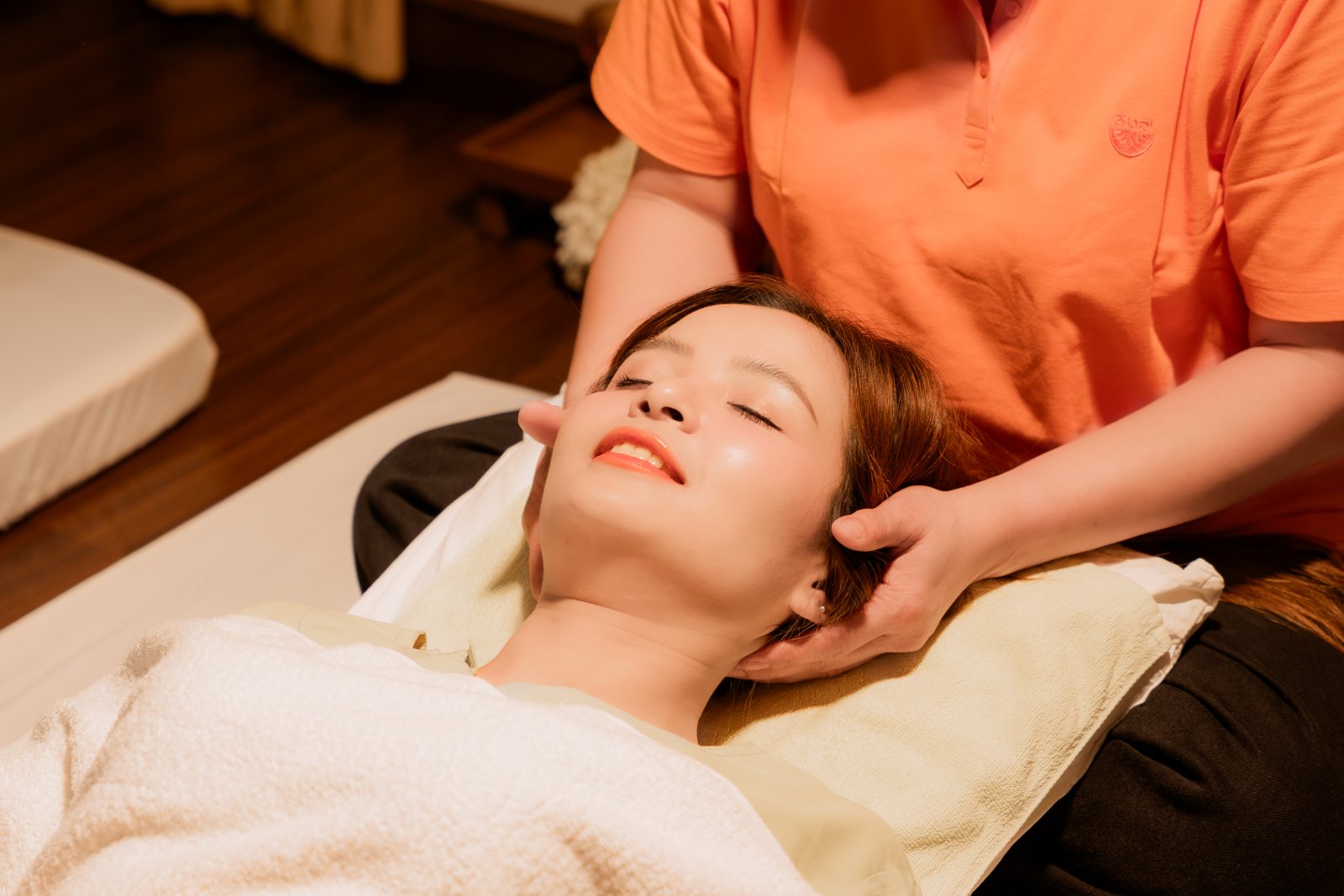
Thai massage is typically performed on a floor mat with the client wearing loose, comfortable clothing. The practitioner uses hands, thumbs, elbows, knees, and even feet to apply pressure while guiding the body through yoga-like stretches — which is why it’s sometimes nicknamed “lazy person’s yoga.” The result is full-body flexibility and release.
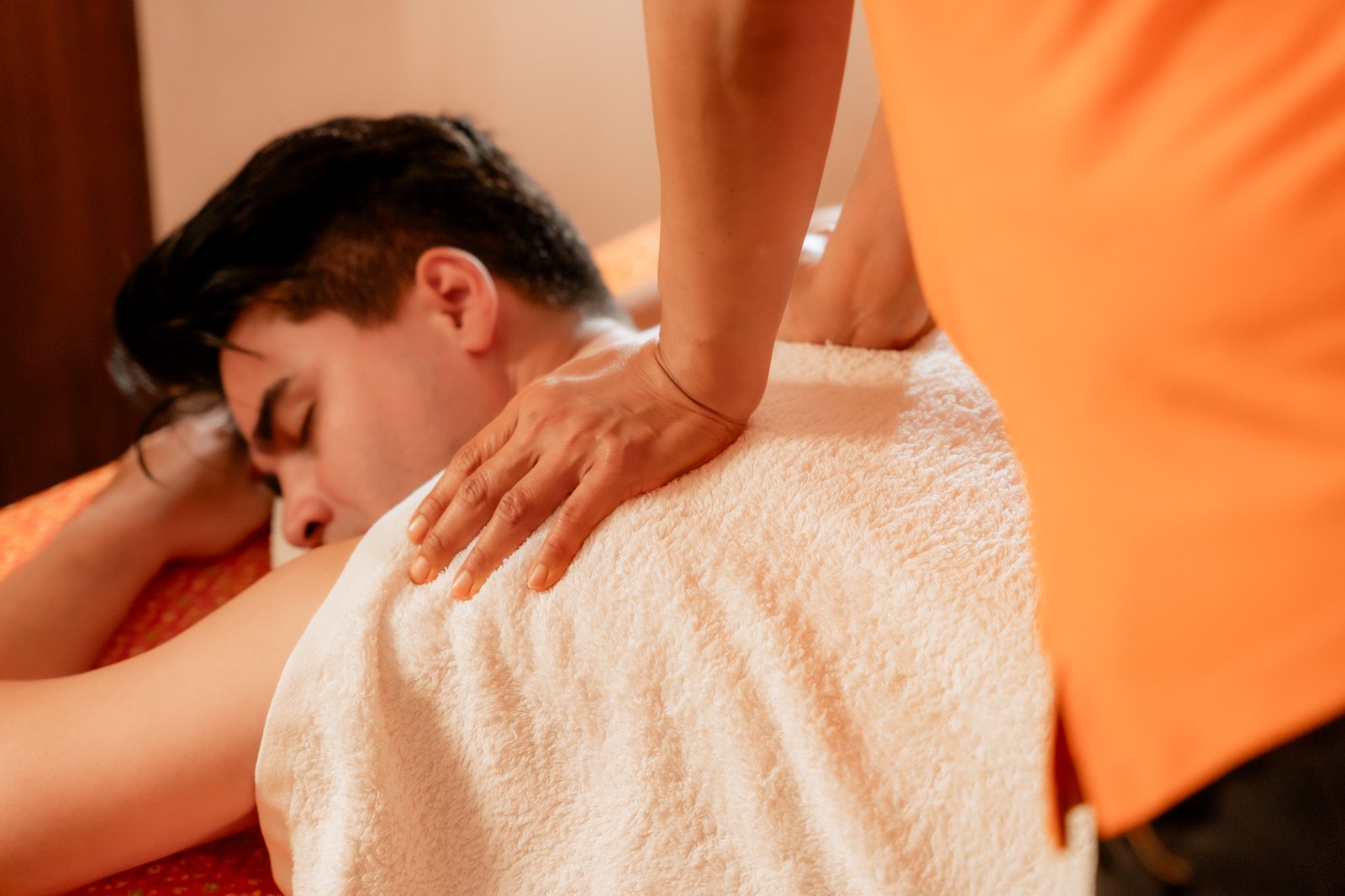
Tuina uses a distinct toolkit of techniques — pressing, kneading, rolling, pulling, tapping, and joint manipulation — with a sharper focus on specific points and areas rather than whole-body stretching. It’s usually done on a treatment table, and clients don’t need to change into special clothing.
Both styles can be adjusted for pressure intensity, but Tuina tends to concentrate firmer, more localized pressure on specific points to stimulate them. Thai massage spreads pressure along the Sen lines and combines it with stretching, so many people leave feeling lighter and more limber overall. After Tuina, people often report targeted relief in the exact spot that was bothering them.
If you want full-body relaxation, improved flexibility, and a stretch-like release, traditional Thai massage is likely the better fit. If you have a specific, localized ache — say in the shoulder, neck, or lower back — and want focused point-pressure work, Tuina may be more appropriate. Either way, always communicate with your therapist about areas you’d like emphasized, and if you have a chronic condition or severe pain, check with a doctor before booking either type of massage.
Which is more intense, Thai massage or Tuina?
It depends on the pressure level you request and your personal sensitivity — both styles can be adjusted from light to firm.
Does Thai massage really involve stretching?
Yes, assisted stretching is a signature feature of traditional Thai massage, which sets it apart from Tuina’s more point-focused approach.
Can I try both styles to compare?
Absolutely — many people try each on a different visit to see which one their body responds to best.
If you’d like to experience authentic traditional Thai massage passed down over more than 25 years, visit Malatee Thai Massage on New Phetchaburi Road, near BTS Ratchathewi. We welcome both Thai and international guests — book your session in advance and come unwind with us.
Lorem Ipsum is simply dummy text of the printing and typesetting industry