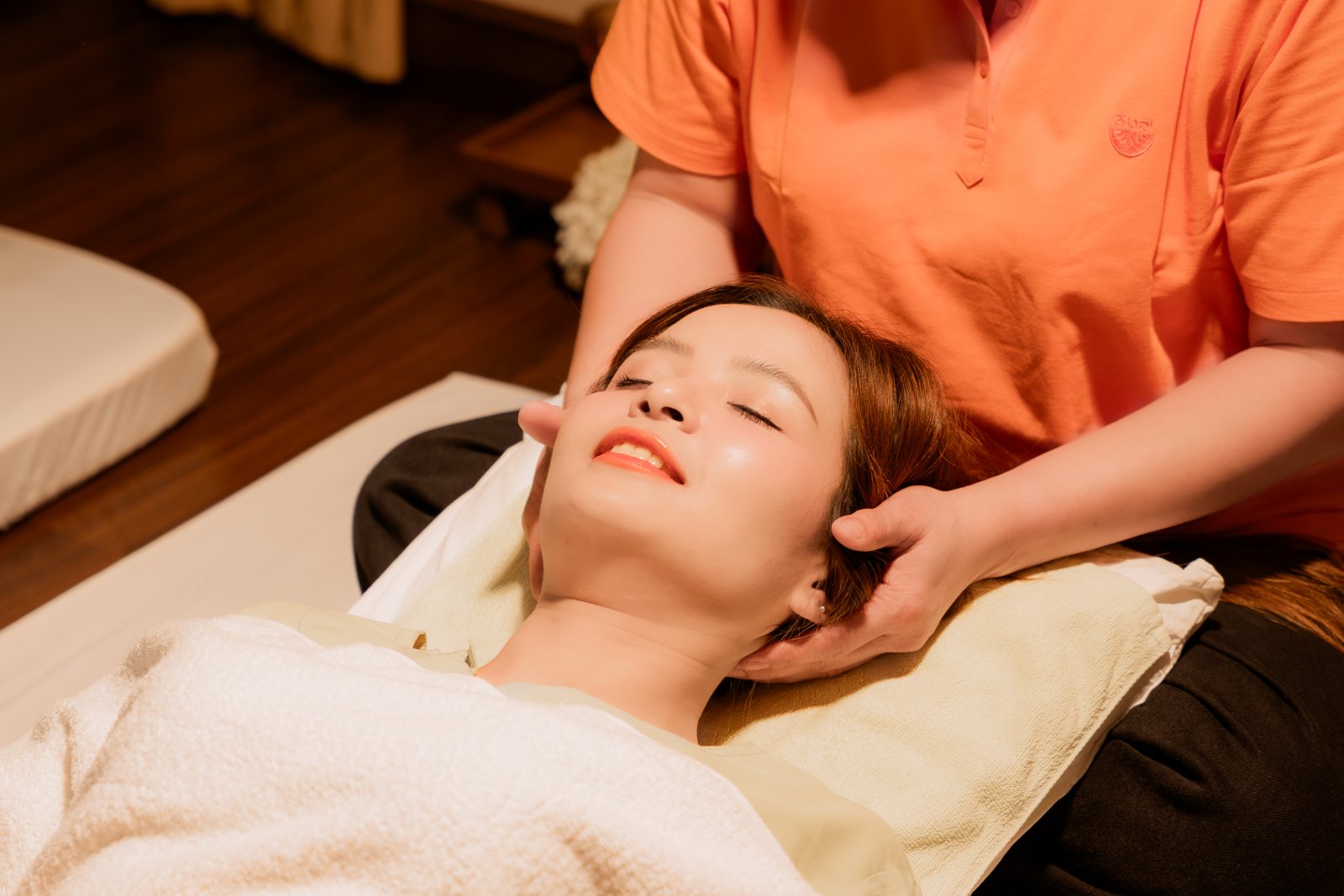

Why Guests Return: What Consistent Care Looks Like at Malatee
Malatee Thai Massage has welcomed guests in Bangkok since 2000, and our name comes from the Malatee jasmine, the most

Thai massage is loved for how effectively it relieves muscle tension and fatigue, but if you live with an underlying health condition, there are some things worth thinking through beforehand. This article is meant for general education only — it is not medical advice and should never replace guidance from a qualified doctor. If you have a health condition, always check with your physician before booking a massage.
Thai massage involves pressure, kneading, and passive stretching, all of which directly affect circulation, muscles, and joints. For someone in good general health, this usually poses no issue. But for people managing certain conditions, specific pressure points or stretching positions could interact with that condition in ways that need extra caution.
High or low blood pressure. Certain massage positions can cause temporary shifts in blood pressure. If this applies to you, let your therapist know beforehand, and speak up immediately if you feel dizzy or unwell during the session.
Diabetes. Some people with diabetes experience reduced sensation in their hands and feet, or slower-healing wounds. It’s worth checking your skin before a session and telling your therapist about any sores or sensitive areas.
Heart and cardiovascular conditions. Anyone with a heart condition should check with their doctor first about what level of pressure or intensity is appropriate for their body.
Bone and joint conditions, such as osteoporosis, a herniated disc, or recent bone surgery, generally call for avoiding heavy pressure or aggressive stretching around the affected area. Be specific with your therapist about exactly where extra care is needed.
Other conditions, such as blood clot disorders, cancer, or active infections, should be discussed with a doctor case by case, since contraindications can vary significantly.
If you have an underlying condition, the most important step is open communication with your therapist before the session starts. Mention what condition you have, any medications you’re taking, and any areas of your body that need to be avoided. If your doctor has given you guidance about physical activity, factor that into your decision as well.
During the massage, if you feel unusual pain, dizziness, heart palpitations, or any kind of discomfort, ask your therapist to stop or adjust the pressure right away. Don’t push through discomfort out of politeness.
Can I just get a Thai massage without checking with a doctor first, even with a health condition?
It’s better not to decide on your own, especially with heart conditions, blood pressure issues, bone conditions, or anything currently under a doctor’s care. Always check with your physician first for safety.
How much detail should I give my therapist?
The more, the better — your condition, any medications, and any areas that have been injured or operated on. This helps your therapist adjust their technique and pressure appropriately for you.
What if I’m not sure whether massage is okay for me?
Postpone the massage until you’ve spoken with your doctor and received clear guidance. Your safety matters more than a moment of relaxation.
At Malatee Thai Massage, we take every guest’s safety seriously. If you have a health condition or any health concerns, please let our therapists know before your session so we can take the best possible care of you — and be sure to check with your own doctor first if you have any doubts.
Lorem Ipsum is simply dummy text of the printing and typesetting industry