
Why Guests Return: What Consistent Care Looks Like at Malatee
Malatee Thai Massage has welcomed guests in Bangkok since 2000, and our name comes from the Malatee jasmine, the most
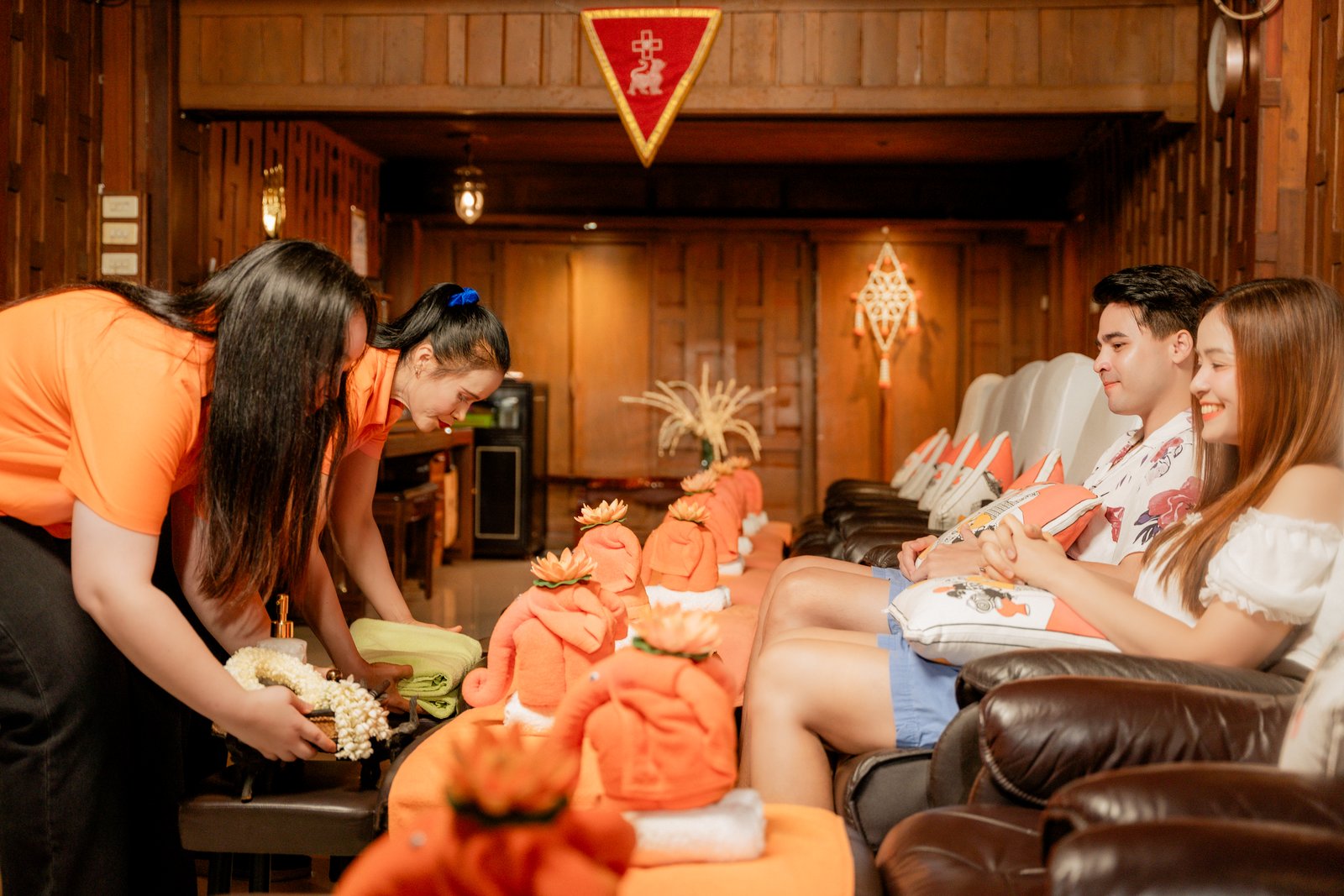
People living with knee issues or joint inflammation often wonder whether Thai massage is safe for them, and how it might affect their condition. Before anything else, we want to be upfront: this article is general information only, not medical advice, and we cannot say massage is safe for everyone with joint or knee issues. Conditions vary widely from person to person in type, severity, and stage, so anyone with knee issues or joint inflammation should always consult their doctor before deciding to get a massage.
Joint inflammation and knee problems have many causes and levels of severity. During an acute flare-up, a joint can be especially sensitive to pressure or touch, while at other times symptoms may be more settled. Massaging or applying pressure to an inflamed joint without medical guidance may not be appropriate for your current condition. Your own doctor is the only person who fully understands the details of your condition, making them the right person to advise whether massage is appropriate and which areas to avoid.
If you have knee issues or joint inflammation and are considering a Thai massage, the most important first step is to talk to the doctor or physical therapist managing your condition. Ask whether massage is suitable for your situation, which areas of pressure should be avoided, and any other limitations you should be aware of. If your doctor gives the go-ahead, share the full details of your condition and your doctor’s guidance with your massage therapist (หมอนวด) before your session begins.
Once your doctor has approved massage, tell your therapist clearly which joint is affected, along with the severity and any restrictions your doctor mentioned. If you feel increased pain, swelling, or discomfort in that area during the massage, ask your therapist to stop or adjust the pressure right away. Massage should leave you feeling relaxed, not worse — if you notice anything unusual afterward, follow up with your doctor.
This article is meant as general information only. Malatee Thai Massage cannot assess whether massage is appropriate for any individual’s specific knee or joint condition, and nothing here is intended to suggest that massage treats or cures knee or joint conditions. Whether to get a massage should always be decided together with the doctor managing your care.
Can someone with joint inflammation get a Thai massage?
It depends on the type and severity of the condition in each individual. Always consult a doctor before deciding, for your own safety.
Should I avoid massage if my knee is currently swollen or inflamed?
Check with your doctor first — during an acute flare-up, a joint can be especially sensitive to pressure, and your doctor is best placed to advise what to avoid.
What should I tell my therapist if I have a knee condition?
Share which joint is affected, how severe the condition is, and any guidance your doctor has given, so your therapist can adjust the session to suit your condition.
Malatee Thai Massage has offered authentic Thai massage for more than 25 years, with the safety and comfort of every guest as our top priority. If your doctor has confirmed that massage is appropriate for you, we’re glad to listen closely to your needs at any of our branches on Phetchaburi Road or near BTS Ratchathewi.
Lorem Ipsum is simply dummy text of the printing and typesetting industry