
Why Guests Return: What Consistent Care Looks Like at Malatee
Malatee Thai Massage has welcomed guests in Bangkok since 2000, and our name comes from the Malatee jasmine, the most
In the fast pace of city life, stress can feel almost unavoidable — work pressure, traffic, and the daily grind all take their toll. Many people turn to Thai massage looking for relief that actually feels effective, not just momentary. But does Thai massage genuinely help ease stress, or is the relief only temporary? Let’s look at what’s really going on beneath the surface.
When the body is under stress, muscles tend to tense up without us even noticing — especially around the neck, shoulders, and upper back, which are common places where tension accumulates. Chronic stress can also affect sleep quality, leaving you feeling tired even after a full night’s rest. Because the body and mind are so closely connected, physical relaxation techniques like massage can have a real effect on how we feel mentally as well.
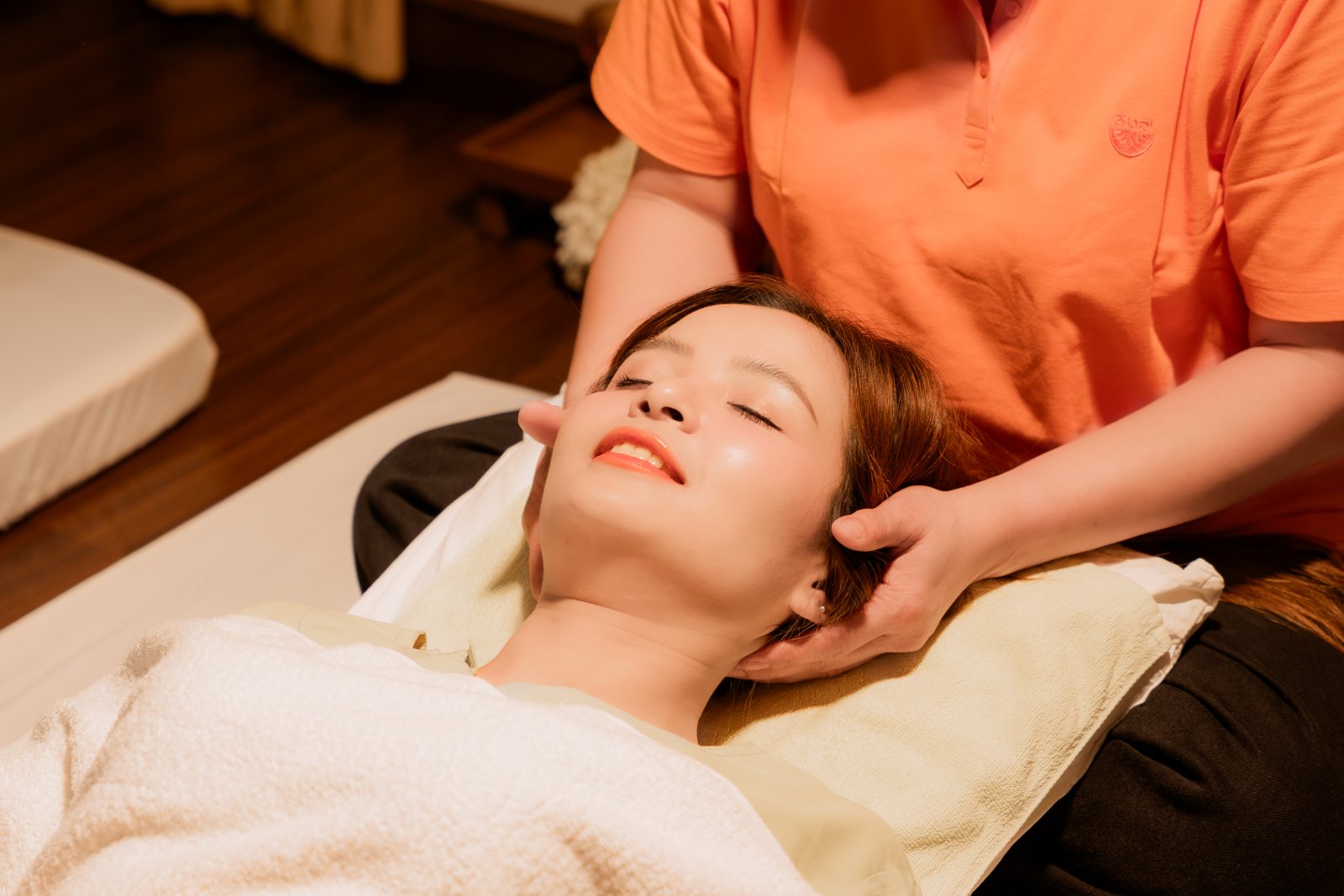
Thai massage, with its rhythmic combination of acupressure, kneading, and stretching, may help trigger the body’s relaxation response. As tense muscles release, many people feel lighter both physically and mentally at the same time. It’s common to feel calmer after a session, sleep more easily that night, and find it easier to focus for a while afterward.
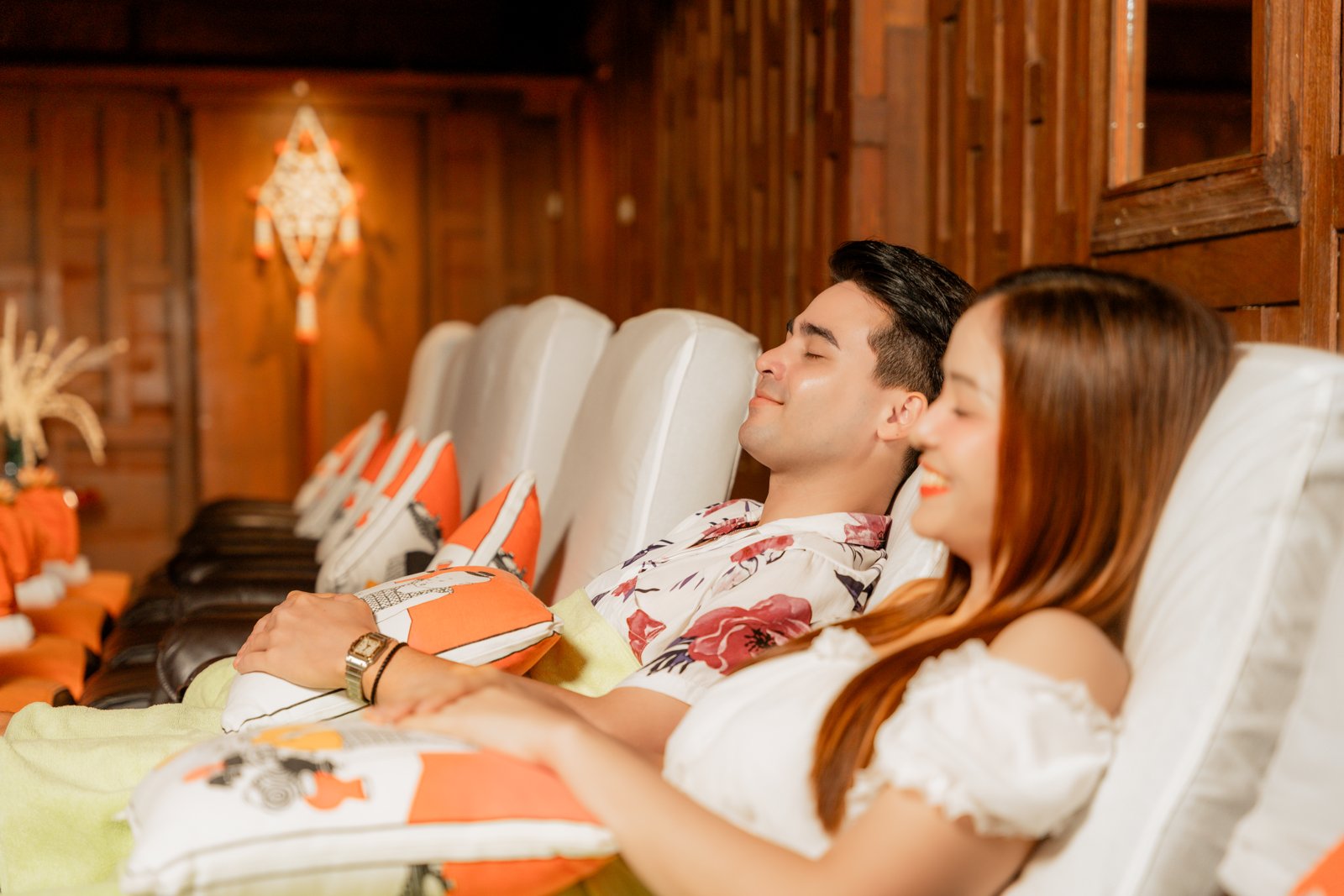
The setting itself plays just as important a role as the technique. Being in a quiet space, away from phones and work, is a rare kind of pause in a busy day. That time to simply be still in a calming environment may do just as much for stress relief as the massage technique itself.
For those focused mainly on mental relaxation, aromatherapy oil massage is often a popular choice — the scent of essential oils combined with gentler strokes can enhance the sense of calm. For those whose stress has built up into physically tight, tense muscles, traditional Thai massage, with its deeper muscle work, may help release both physical and mental tension together.
While Thai massage can offer meaningful relief, if stress has built up to the point of seriously affecting daily life — persistent insomnia, overwhelming anxiety, or symptoms of depression — it’s important to speak with a doctor or mental health professional directly. Massage should be seen as part of a broader self-care routine, not a substitute for medical or psychological treatment.
Does Thai massage really reduce stress?
Releasing tense muscles and spending time in a calm environment during a massage may help reduce feelings of stress in the short term, but it is not a treatment for chronic stress or mental health conditions.
What type of massage is best for mental relaxation?
Aromatherapy oil massage is often a good fit for those seeking mental relaxation, thanks to its calming scents and gentler technique.
What should I do if stress is keeping me from sleeping?
If insomnia or stress is significantly affecting your daily life, it’s important to consult a doctor or mental health professional. Massage can be used as a complementary practice alongside proper care.
If work or daily life stress has left you feeling physically and mentally drained, Malatee Thai Massage on Phetchaburi Road, near BTS Ratchathewi, offers aromatherapy oil massage and traditional Thai massage to help you unwind, with experience serving guests since 2000. Feel free to contact the shop directly to check availability and book your session.
Lorem Ipsum is simply dummy text of the printing and typesetting industry