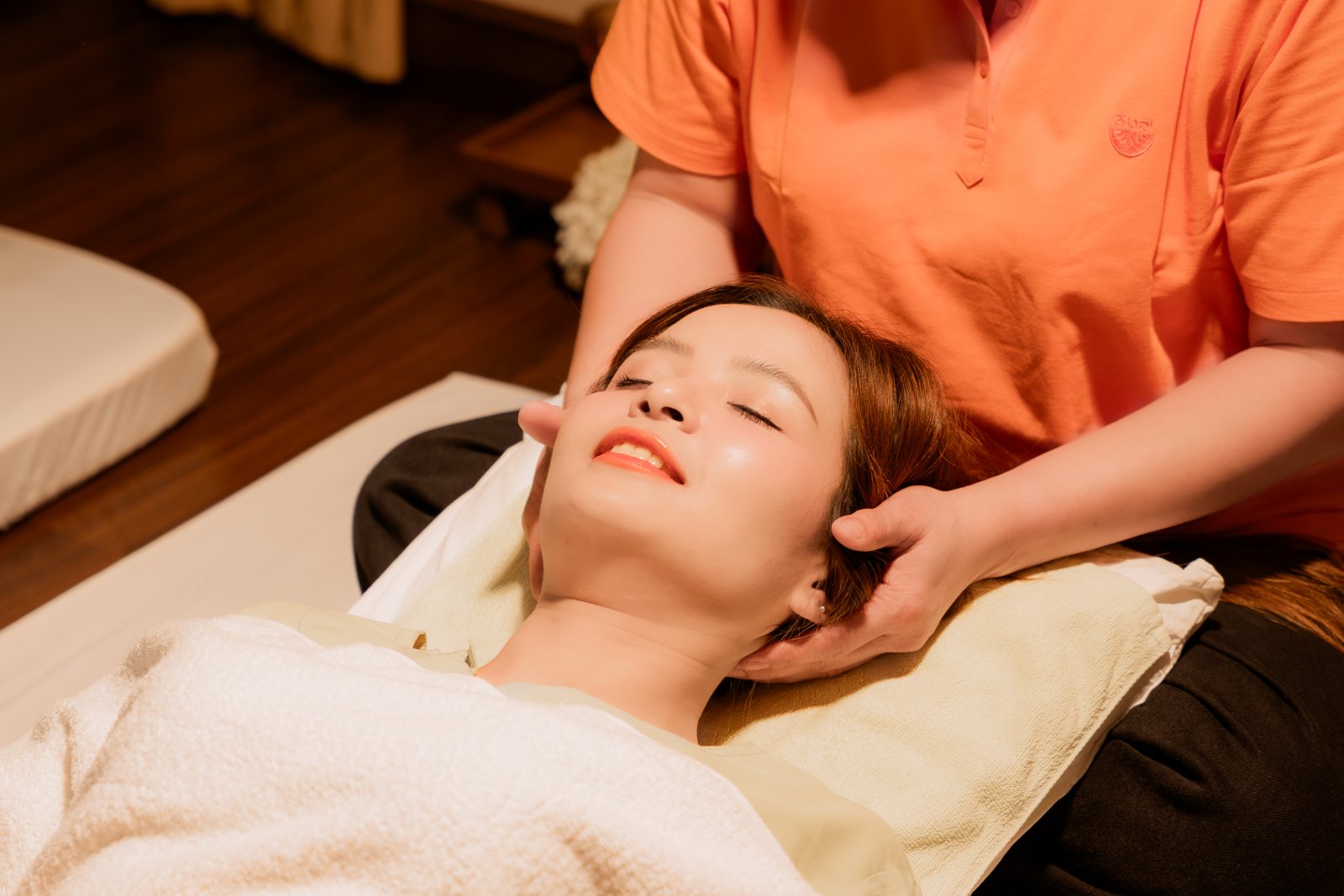

Why Guests Return: What Consistent Care Looks Like at Malatee
Malatee Thai Massage has welcomed guests in Bangkok since 2000, and our name comes from the Malatee jasmine, the most
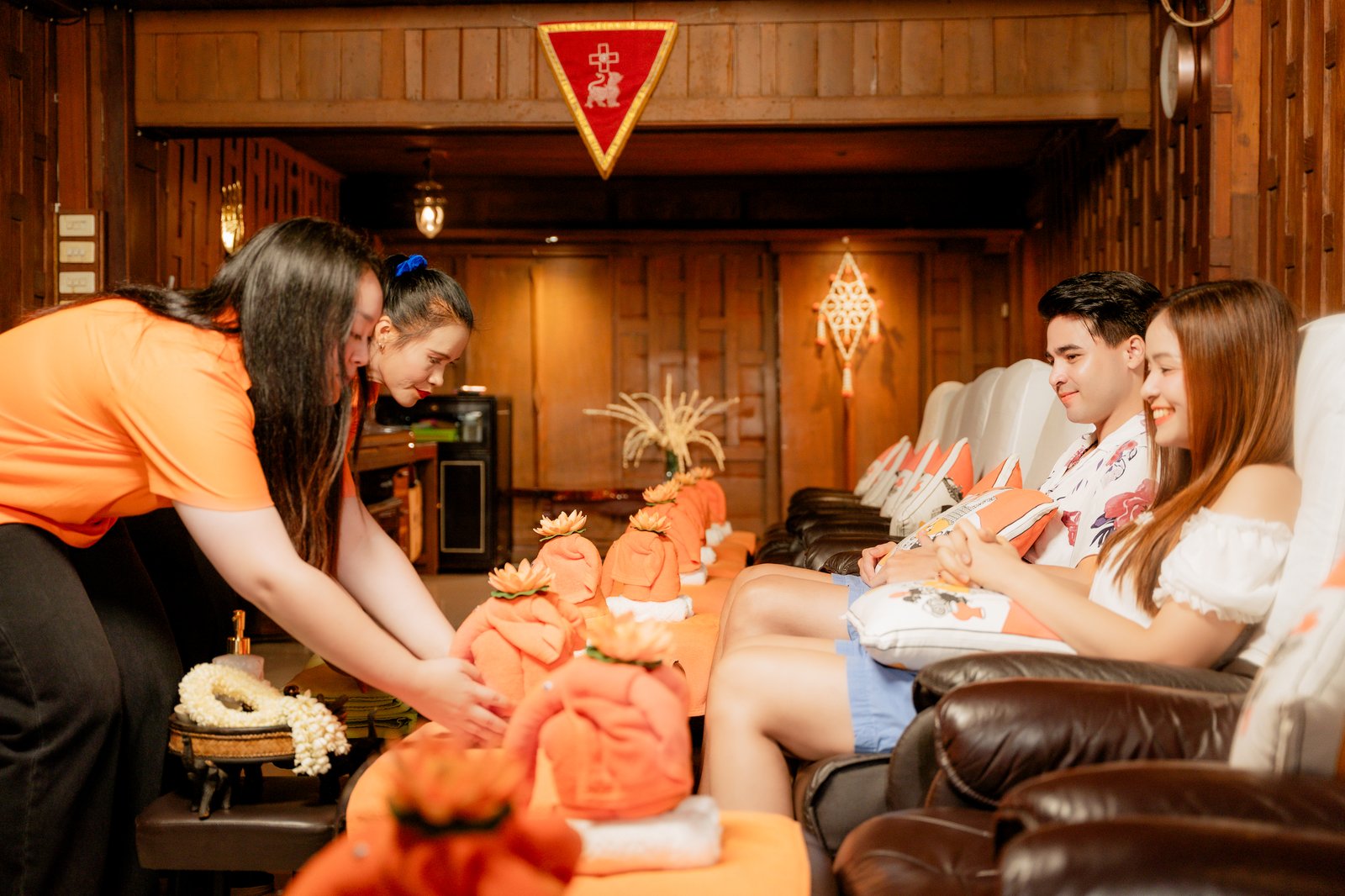
As we age, muscle stiffness, joint tightness, and reduced circulation become more common. Many families consider Thai massage as a way to help their older loved ones feel more comfortable. However, massage for seniors requires extra care and attention compared to younger clients, so it’s worth understanding the details before booking a session for an elderly parent or relative.
Gentle massage may help ease muscle tension built up from long periods of sitting or lying down, support circulation in the treated area, and contribute to an overall sense of comfort and reduced stress. The gentle human touch and conversation with a therapist can also offer emotional comfort, especially for seniors who may feel isolated. That said, it’s important to understand that Thai massage is a form of relaxation care, not a medical treatment.
Older adults often have health conditions that require special caution — osteoporosis, knee osteoarthritis, cardiovascular disease, high blood pressure, diabetes with nerve complications, or varicose veins. Excessive pressure or aggressive stretching can pose real risks in these cases. Always inform the therapist in detail about any existing conditions and symptoms before the session begins, and if the senior has a high-risk condition or has recently had surgery, consult a doctor before booking any massage.
For seniors, light to medium pressure is generally recommended, avoiding intense stretches or forceful twisting. Aromatherapy oil massage with gentle kneading, or a light foot massage and neck-shoulder massage, tend to be more suitable than a full traditional-style session with heavy pressure.
If the senior experiences unusual pain, dizziness, chest tightness, difficulty breathing, or visible discomfort during the massage, stop right away, inform the staff, and seek medical advice promptly if needed.
Can a senior with high blood pressure get a massage?
Inform the therapist and consult a doctor beforehand to assess suitability and choose a safe approach.
How often should seniors get a massage?
It varies by individual — start with less frequent sessions and observe how the body responds before increasing frequency.
Should a family member accompany them?
Yes, having a relative or caregiver present helps communicate health information and ensures safety during travel to and from the session.
If you’re looking for a Thai massage shop that pays close attention to seniors’ needs, Malatee Thai Massage on New Phetchaburi Road, near BTS Ratchathewi, has over 25 years of experience caring for guests of all ages. Let us know your health details in advance so we can tailor a suitable, comfortable program.
Lorem Ipsum is simply dummy text of the printing and typesetting industry