
Why Guests Return: What Consistent Care Looks Like at Malatee
Malatee Thai Massage has welcomed guests in Bangkok since 2000, and our name comes from the Malatee jasmine, the most
After an intense workout — whether running, weightlifting, or playing sports — muscles often feel tight and fatigued from the exertion. Many regular exercisers now incorporate Thai massage into their recovery routine. Let’s look at the role Thai massage can play in supporting muscle care for active people.
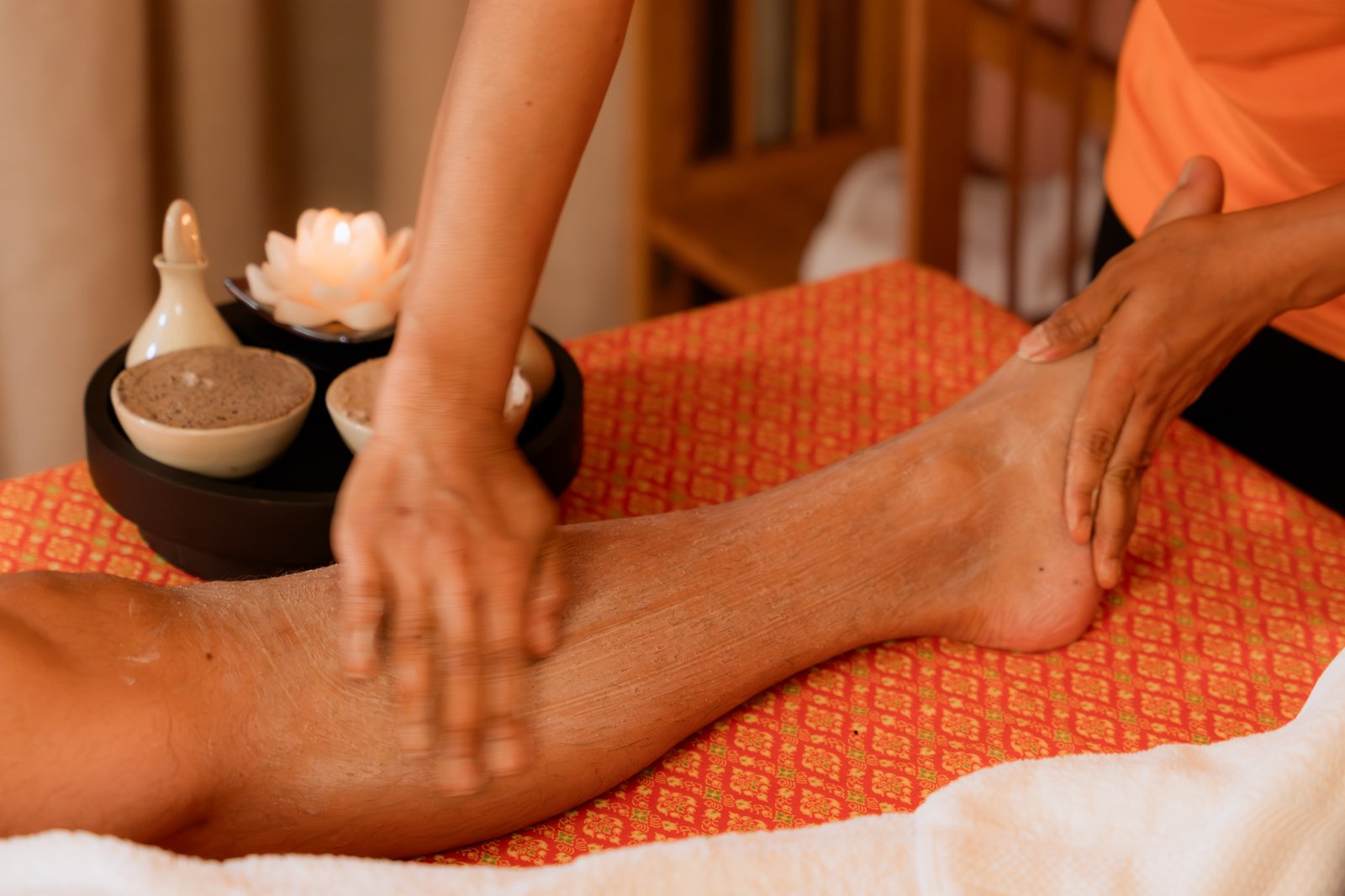
Continuous exercise causes muscles to contract and accumulate tight spots over time. The pressing and kneading techniques of Thai massage, applied along muscle lines, may help release these tight areas, leaving muscles feeling more relaxed and less stiff after a workout.
A hallmark of Thai massage is its combination of pressure work with assisted stretching, which may help expand joint range of motion and muscle flexibility. This is especially valuable for athletes and active individuals who want to maintain flexibility alongside strength, potentially reducing the long-term risk of injury from overly tight muscles.
Kneading and pressing along muscle lines may help stimulate blood flow to the treated area, which can support the delivery of nutrients and oxygen to muscle tissue — leaving the body feeling refreshed and ready for the next activity.
It’s generally recommended to wait at least 2-3 hours after exercising before getting a massage, allowing the body to rest and your heart rate to return to normal first. If you have unusually severe muscle pain, an acute injury, or bruising, avoid massaging that area and consult a doctor or physical therapist first.
Let your therapist know which muscle groups have been worked hardest or feel particularly sore, so pressure can be adjusted appropriately. If you’re recovering from a muscle or tendon injury, consult a doctor before booking a massage — Thai massage is a relaxation and recovery aid, not a direct treatment for injuries.
Should I get a massage before or after exercising?
Most experts recommend a massage after exercise, once the body has rested, to help relax worked muscles.
Can Thai massage reduce next-day muscle soreness (DOMS)?
Gentle massage may help you feel more relaxed, but it shouldn’t be expected to eliminate soreness instantly — rest and hydration remain essential too.
Which areas should runners focus on?
Calves, thighs, and the soles of the feet are usually the priority, as these muscles work hardest during running.
If you’re looking for a Thai massage shop to support your post-workout recovery, Malatee Thai Massage on New Phetchaburi Road, near BTS Ratchathewi, offers authentic traditional Thai massage and a range of treatments backed by over 25 years of experience. Let your therapist know your needs and book your session in advance.
Lorem Ipsum is simply dummy text of the printing and typesetting industry