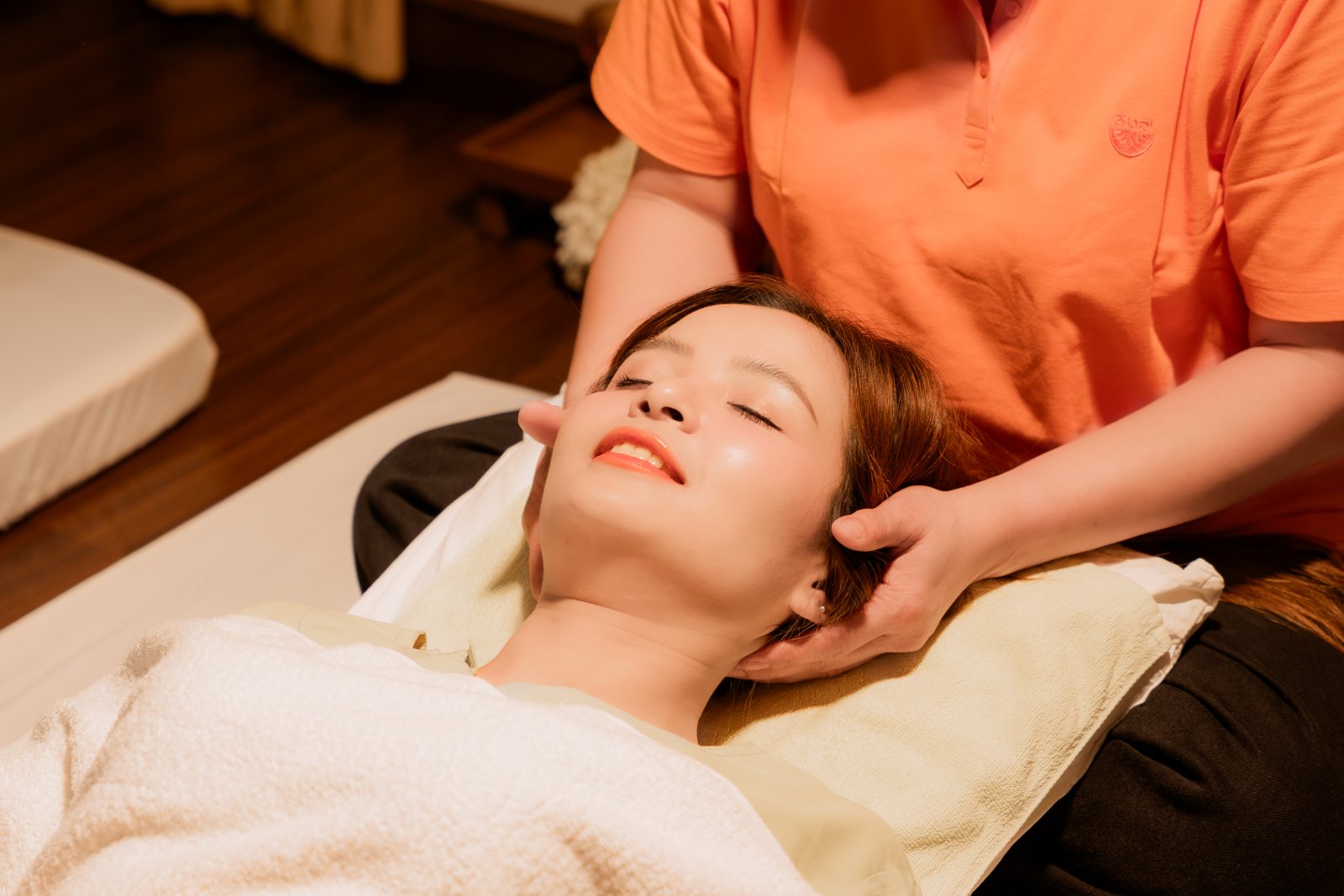

Why Guests Return: What Consistent Care Looks Like at Malatee
Malatee Thai Massage has welcomed guests in Bangkok since 2000, and our name comes from the Malatee jasmine, the most
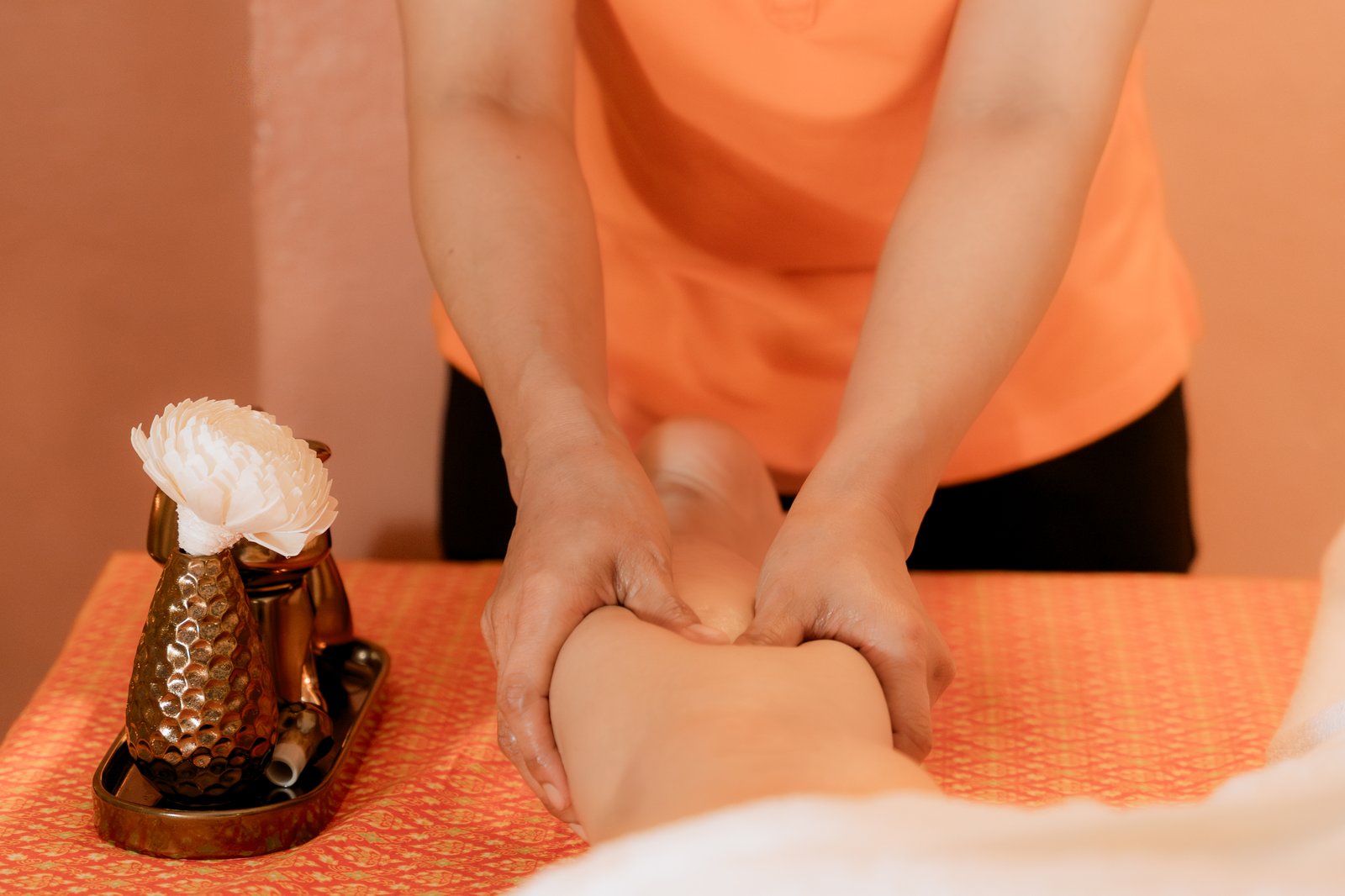
One reason many people make Thai massage a regular habit is the feeling of lightness and refreshment afterward, something often linked to improved blood circulation. But how exactly does Thai massage support circulation, and what should people with specific health conditions keep in mind? Let’s take a closer look at the mechanism behind it.
Your circulatory system carries oxygen and nutrients to cells throughout the body while removing waste from tissues. When circulation is working well, the body tends to feel more energized, muscles recover faster, and there is less build-up of fatigue. On the other hand, poor circulation — especially in areas that are overworked or held still for long periods, like sitting at a desk — can lead to numbness, aches, or stiff muscles.
Traditional Thai massage uses acupressure, kneading, and stretching along energy lines known as “sen,” a concept rooted in traditional Thai medicine. Pressing and kneading along these muscle lines may help stimulate blood flow in the areas being worked on, improving how well blood reaches muscles and tissue. This can contribute to a sense of relaxation and may help reduce some muscle soreness.
The assisted stretching that is unique to Thai massage also helps improve flexibility in muscles and joints, which may allow blood to circulate more efficiently through those areas compared to muscles that have been tight and immobile for extended periods.
When circulation improves, many people report feeling lighter overall, with some noticing improvement in cold hands and feet or mild numbness. Tight muscles from work or exercise may also recover a bit faster. The sense of relaxation during a massage session can help lower stress as well, which is another factor connected to overall cardiovascular health.
While Thai massage can be beneficial for circulation in most people, those with deep vein thrombosis, uncontrolled high blood pressure, heart conditions, or who are taking blood-thinning medication should consult a doctor before getting a massage. It is also important to inform your therapist of any health conditions beforehand so they can adjust the technique and pressure appropriately for your safety.
Does Thai massage really help blood circulation?
The acupressure, kneading, and stretching techniques used in Thai massage may help stimulate circulation in the areas being massaged to some degree, but it is not a treatment for circulatory conditions.
Who should be especially cautious before getting a massage?
Anyone with deep vein thrombosis, uncontrolled high blood pressure, heart conditions, or who takes blood-thinning medication should consult a doctor first and inform their therapist before the session.
How often should I get a massage for the best results?
The right frequency depends on your individual needs and health. If you’re unsure, it’s a good idea to talk with your therapist or doctor to plan what works best for you.
If you’re looking to relax tired muscles and support healthy circulation after a long day, Malatee Thai Massage on Phetchaburi Road, near BTS Ratchathewi, offers traditional Thai massage and full-body massage, with experience serving guests since 2000. If you have any heart or circulatory conditions, please inform the staff before your session begins. Feel free to contact the shop directly to check availability and book ahead.
Lorem Ipsum is simply dummy text of the printing and typesetting industry